JOIN PRISON YOGA PROJECTBecome a Volunteer
Opportunities to Volunteer
There are a variety of volunteer roles available to help advance the mission of Prison Yoga Project.
Start Your Volunteer Journey
Please take a moment to explore these opportunities, then complete the Volunteer Pre-application linked below.
Once we receive your submission, we will follow up with the next steps in the application process.
In-Facility Yoga Facilitator
Bring trauma-informed yoga directly inside prisons and jails.
As an In-Facility Volunteer Yoga Facilitator, you’ll lead yoga programs for incarcerated or system-impacted people. This work brings healing practices to those who need them most, while deepening your own understanding of restorative justice and embodied resilience.
What’s expected:
- Commit to at least one (1) year of volunteer service
- Hold a 200-hr YTT (or equivalent)
- Apply and complete an interview
- Have completed PYP’s Foundational Training (scholarships available)
- Be located near an existing Prison Yoga Project program or have a connection to a correctional facility (e.g., Program Coordinator, Community Resource Manager, Warden, Chaplain, or current volunteer).
After your first year, you’ll receive a certificate of service.
Justice System Liaison
Be the connection that helps yoga reach behind bars — building partnerships that open paths to healing.
As a Justice System Liaison, you’ll connect with staff in prisons, jails, and adjacent organizations (such as mental health providers, churches, schools, or treatment programs). Your role is to help create new partnerships that can grow into active PYP programs.
What’s expected:
- Passion for changing the culture of incarceration
- Strong connections or confidence in networking with justice system stakeholders
- Completion of our open-access Intro to PYP Training
You’ll be supported with resources, training, and check-ins from our team as you bring PYP to new communities.
PYP Ambassador
Share the message. Grow the movement.
As a PYP Ambassador, you’ll help expand awareness of our mission through advocacy, community education, and online engagement.
Your involvement:
- Share and amplify PYP content through social media posts, stories, reposts, and meaningful engagement.
- Invite friends and family to subscribe to our newsletter
- Read and recommend PYP’s books, trainings, and educational resources
- Support campaigns that challenge harmful narratives about incarceration
- Represent Prison Yoga Project with integrity in your personal and professional networks
What’s expected:
- Completion of our open-access Intro to PYP Training
- Currently engaged with Prison Yoga Project on social media through reposts, story shares, comments, and other meaningful interactions
- Maintains an established, active social media platform with consistent posting and an engaged following
Every conversation, every post, and every action helps us bring healing-centered practices to more communities.
Other Ways to Volunteer
Bring your unique skills to support the movement.
Not all contributions fit neatly into one category — and that’s a good thing. If you’re a graduate student, researcher, writer, or professional with expertise in areas such as grant writing, administrative support, project coordination, or grant research, we’d love to collaborate with you.
As a volunteer, you’ll help strengthen the foundation that allows Prison Yoga Project to expand our reach and deepen our impact. You can also propose your own way to contribute — we welcome creativity and initiative.
What’s expected:
- Passion for changing the culture of incarceration
- Completion of our open-access Intro to PYP Training
Every skill, every idea, and every contribution helps us bring healing-centered practices to more people impacted by incarceration.
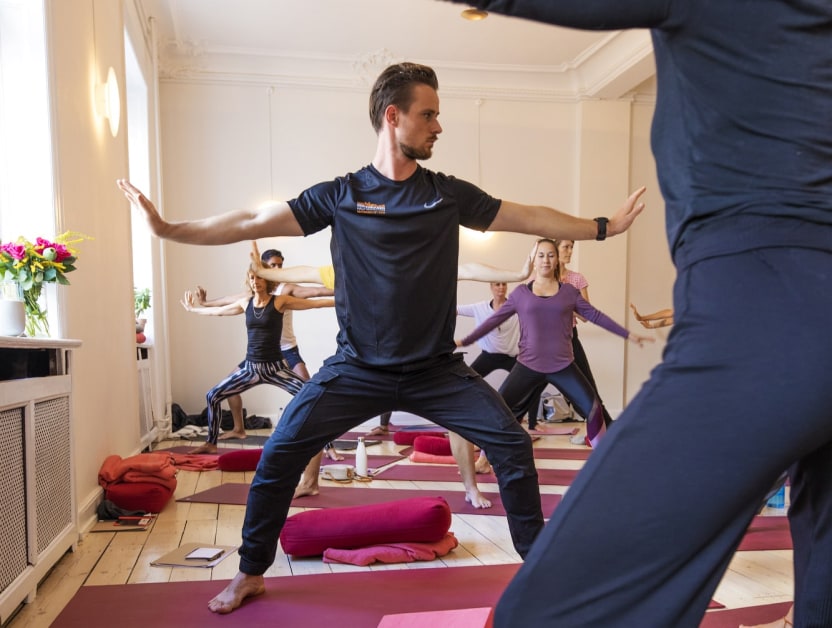
Bringing yoga and embodied mindfulness practices to incarcerated people can be one of the most rewarding endeavors a person can undertake. Becoming a trauma-informed yoga facilitator takes commitment, skill, and deep personal practice.
We work alongside administrators, health care professionals, correctional staff, and security-conscious professionals who are themselves subject to the traumatizing nature of the environment. Facilitating yoga and mindfulness programs in this setting requires a unique skill set, knowledge base, and character.
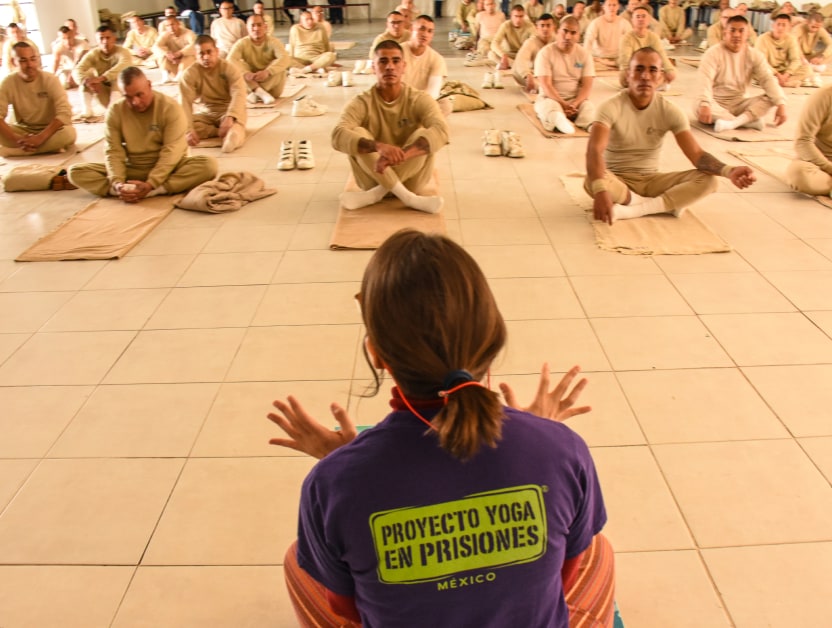
Navigating trauma and transformation in correctional environments
We operate in highly-sensitive and potentially volatile environments. We serve people who have likely suffered trauma in their lifetimes, who may have caused significant, perhaps mortal, harm to others, who live in a potentially traumatizing environment, and who deserve the best quality support we can provide.